Specify healthcare furniture with confidence
Different healthcare settings place different demands on furniture. Our Healthcare Setting Performance Criteria methodology helps teams identify those demands, determine appropriate performance levels, and evaluate furnishings consistently.
Sep 18, 2026
5 minutes
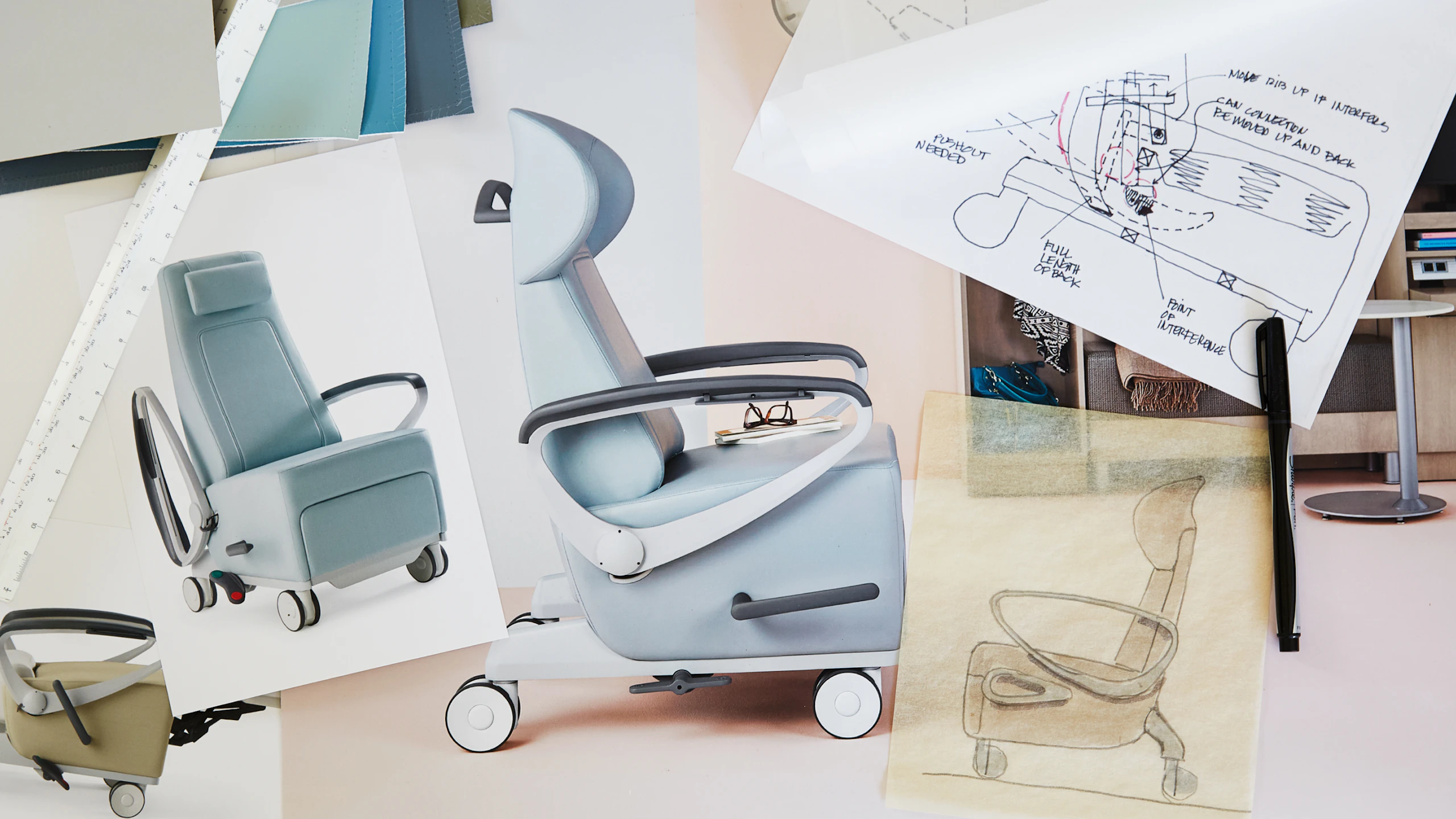
Every furniture decision in healthcare carries clinical, operational, and financial weight. When healthcare furniture fails to meet the demands of a setting, it has a trickle-down effect: premature replacement, compromised functionality, unnecessary costs, and poorer experiences for patients and staff. Healthcare furniture should withstand the realities of care delivery while supporting comfort, safety, and long-term value. How can healthcare organizations and designers make more informed decisions when specifying healthcare furniture?
Why healthcare settings require different furniture performance
Performance is more than just how many double rubs a textile can withstand or how many full-motion cycles a chair mechanism can complete under a weight-bearing load. We define performance as the degree to which a product or environment supports the human, clinical, operational, and financial requirements of a healthcare setting over time. Higher-acuity settings have stricter design requirements because furniture must accommodate vulnerable and immunocompromised patients, support clinical workflows, and withstand aggressive cleaning and disinfection. Lower-acuity settings with limited direct clinical activity shift priorities toward aesthetic warmth, emotional support, inclusivity, and flexibility—with durability and usability still in play.
What is Healthcare Setting Performance Criteria?
Healthcare Setting Performance Criteria is an evidence-based methodology that helps healthcare organizations and designers identify what each setting demands of its furnishings, then translate those demands into criteria to specify against. Independent research and clinical knowledge establish what a setting requires before specification happens. Since aesthetics are part of performance, not separate from it, there's no need to choose between how a space feels and how it performs.
There are five consistent performance design criteria. What changes is the performance level each setting demands.
Accessibility
Can people comfortably use it?
Usability
Does it support patients, clinicians, and staff?
Cleanability
Can it withstand standard cleaning protocol?
Durability
Will it perform over its expected service life?
Investment
Does it deliver long-term value?
How to specify healthcare furniture with confidence
Start with the requirements of the setting.
Determine the required level of performance.
Evaluate furniture using the five performance design criteria.
Match product performance to setting requirements.
Need help determining the right solution for your healthcare setting?
Connect with a healthcare specialist to learn how Healthcare Setting Performance Criteria can support your next project.
The setting performance scale
Every setting has different furniture performance requirements. Furniture failure occurs when the space's requirements and the furniture's performance level are mismatched. Our Healthcare Setting Performance Criteria ensures that both product features and material selections are thoughtfully aligned with the demands of each environment. As performance constraints loosen, there is greater flexibility in selecting materials, finishes, and furnishings while still supporting the needs of patients, families, and staff. Also, every healthcare setting can be associated with one of five performance demand levels. For example, an emergency department waiting area may require a higher level of performance than a reflection and meditation room.
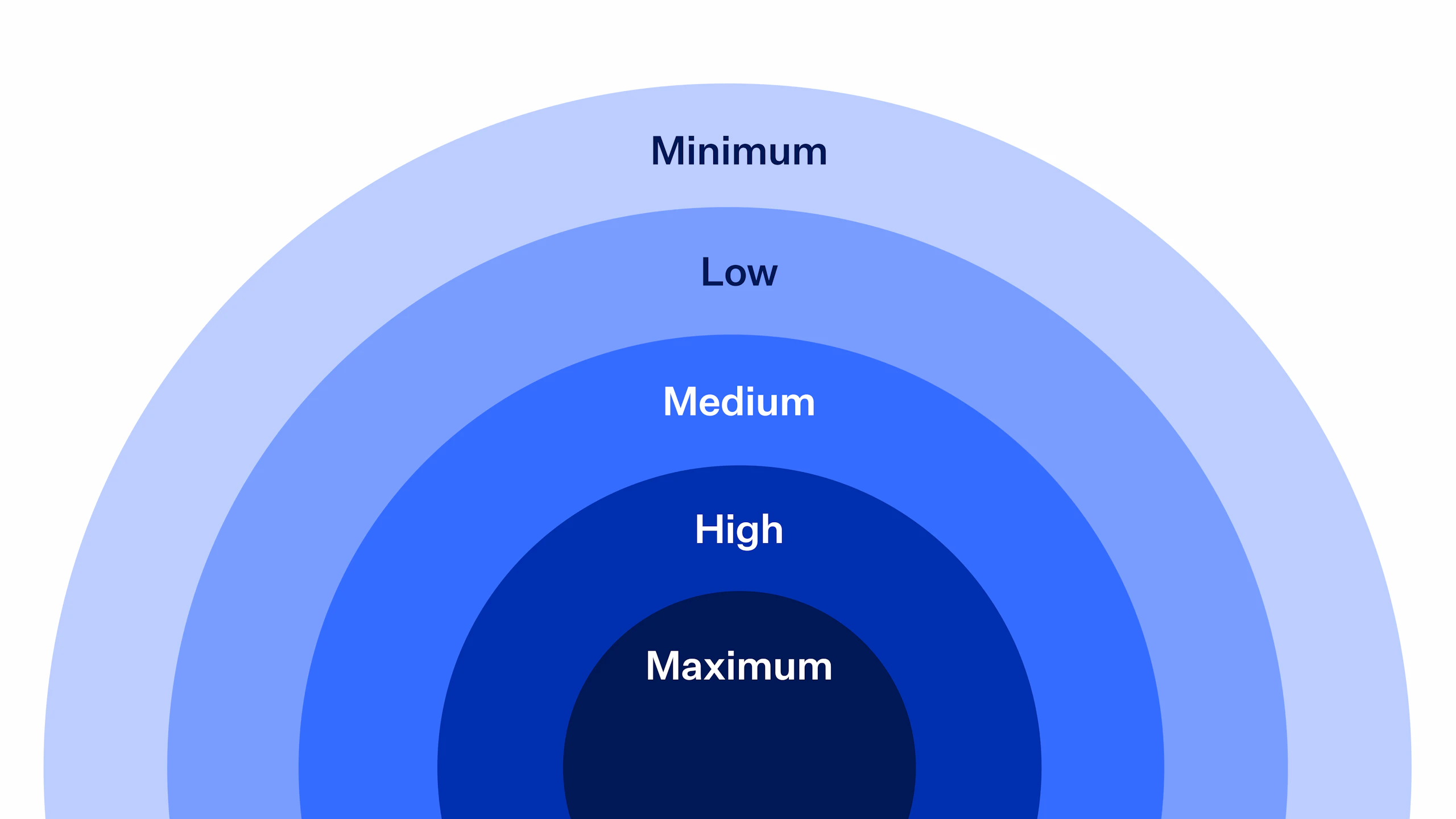
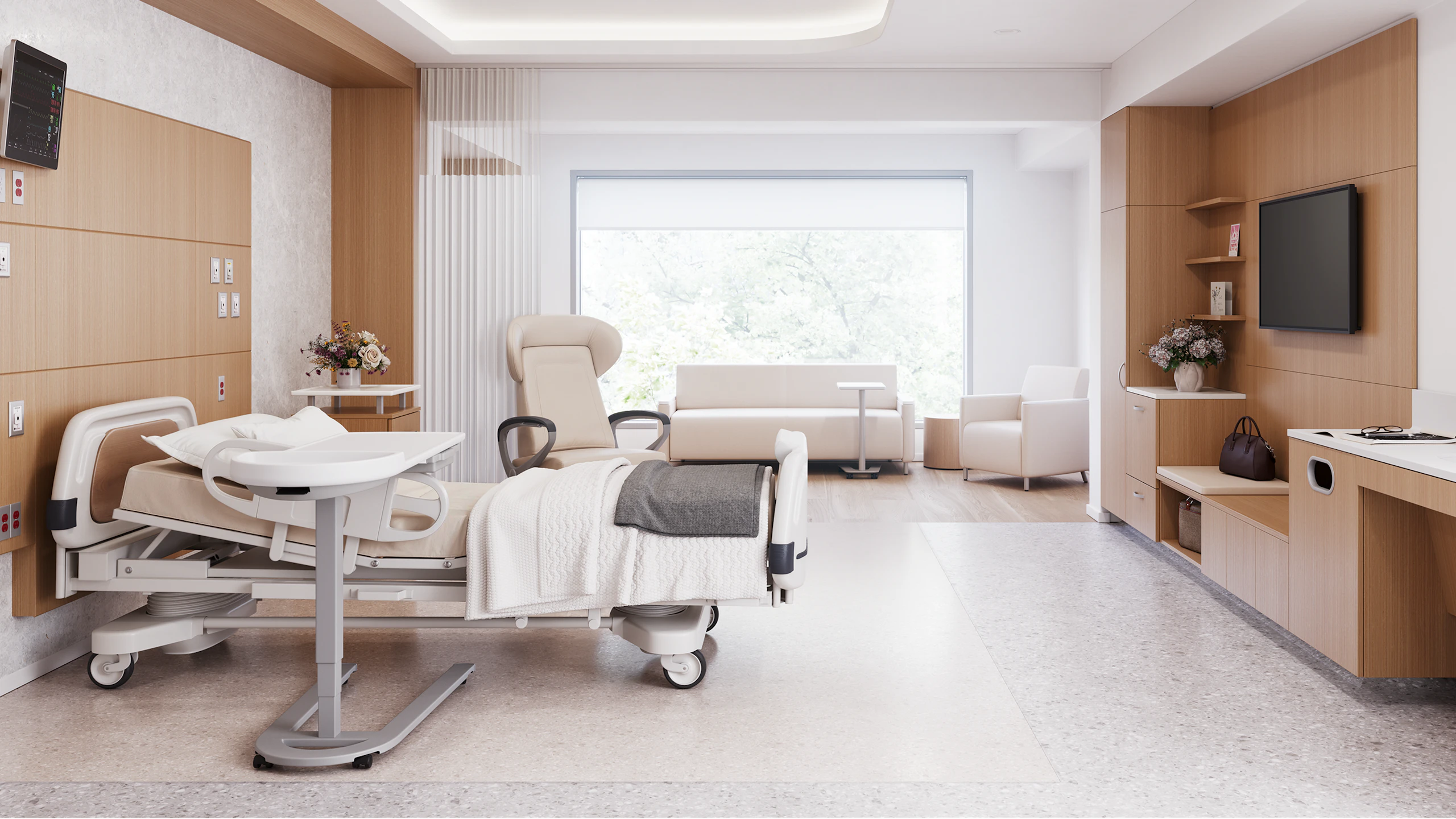
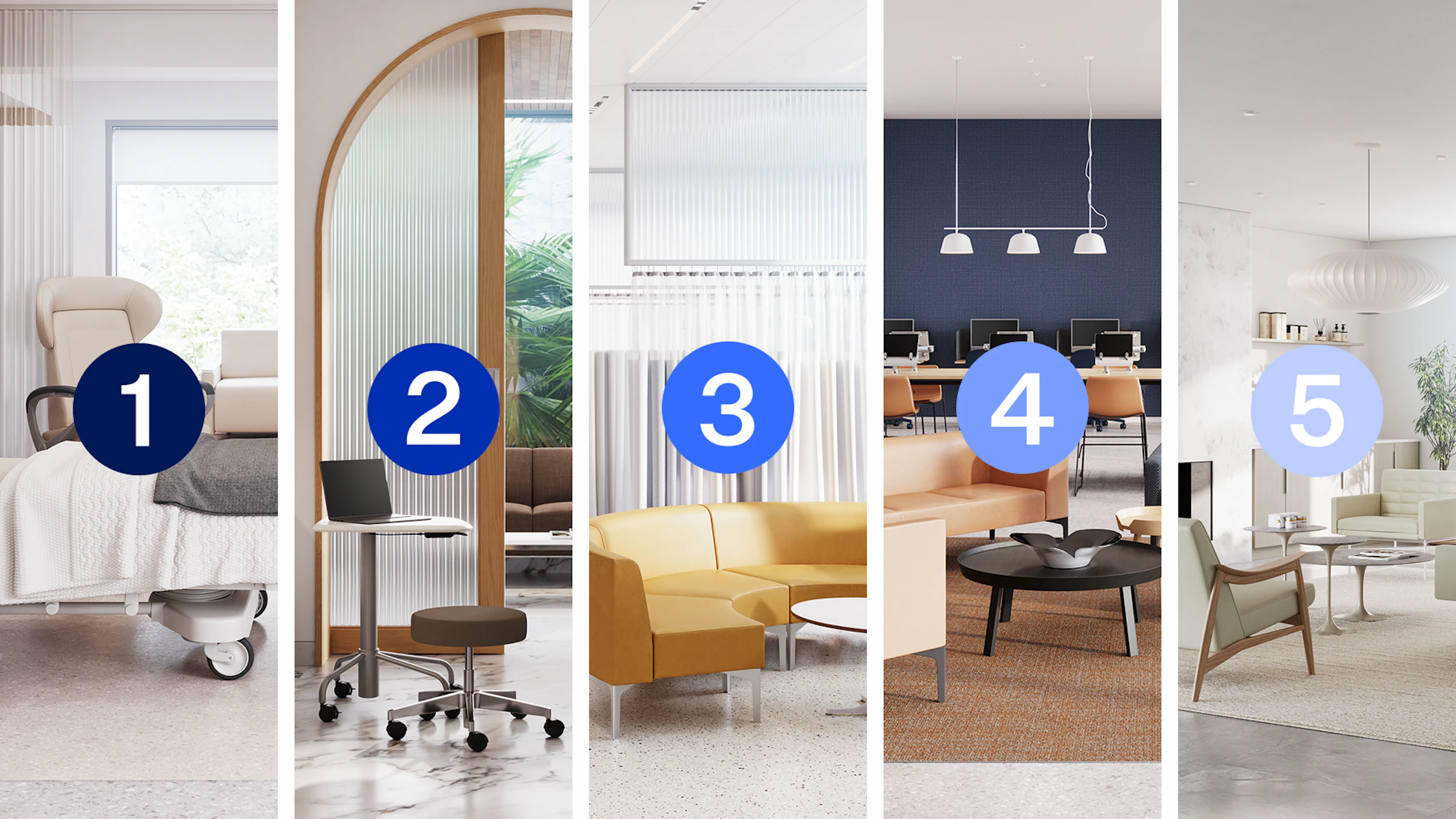
Level 1 settings: Maximum performance requirements
Patient rooms, procedure rooms, emergency department waiting, clinical labs
Key considerations: multiple seat heights, supportive arms, healthcare-grade cleanability, high-durability surfaces and finishes, replaceable components
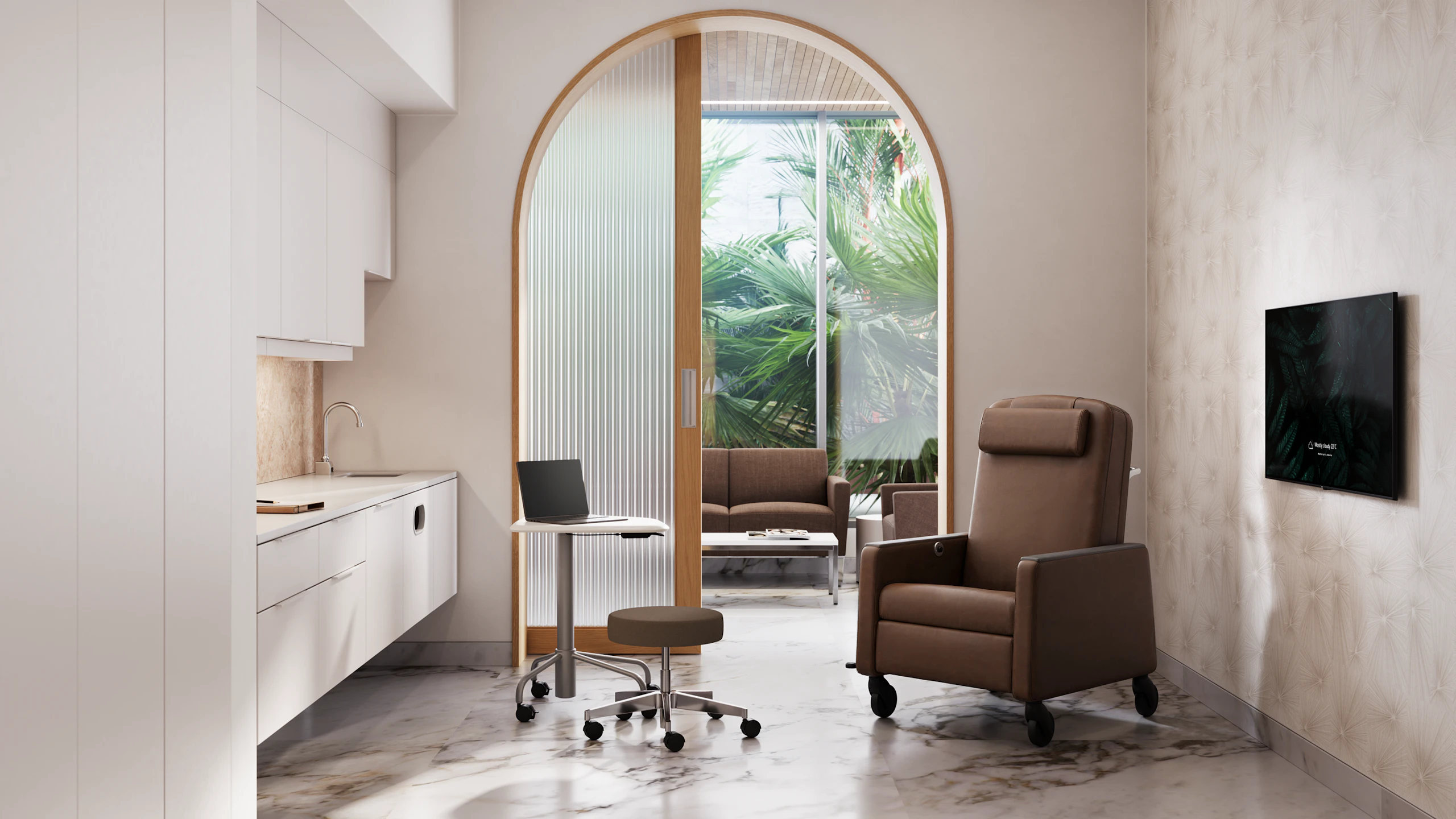
Level 2 settings: High performance requirements
Exam rooms, urgent care waiting areas, on-call rooms, inpatient team stations
Key considerations: easy-to-clean surfaces, accessible seat heights and arms, durable construction, higher weight capacities, healthcare-grade materials
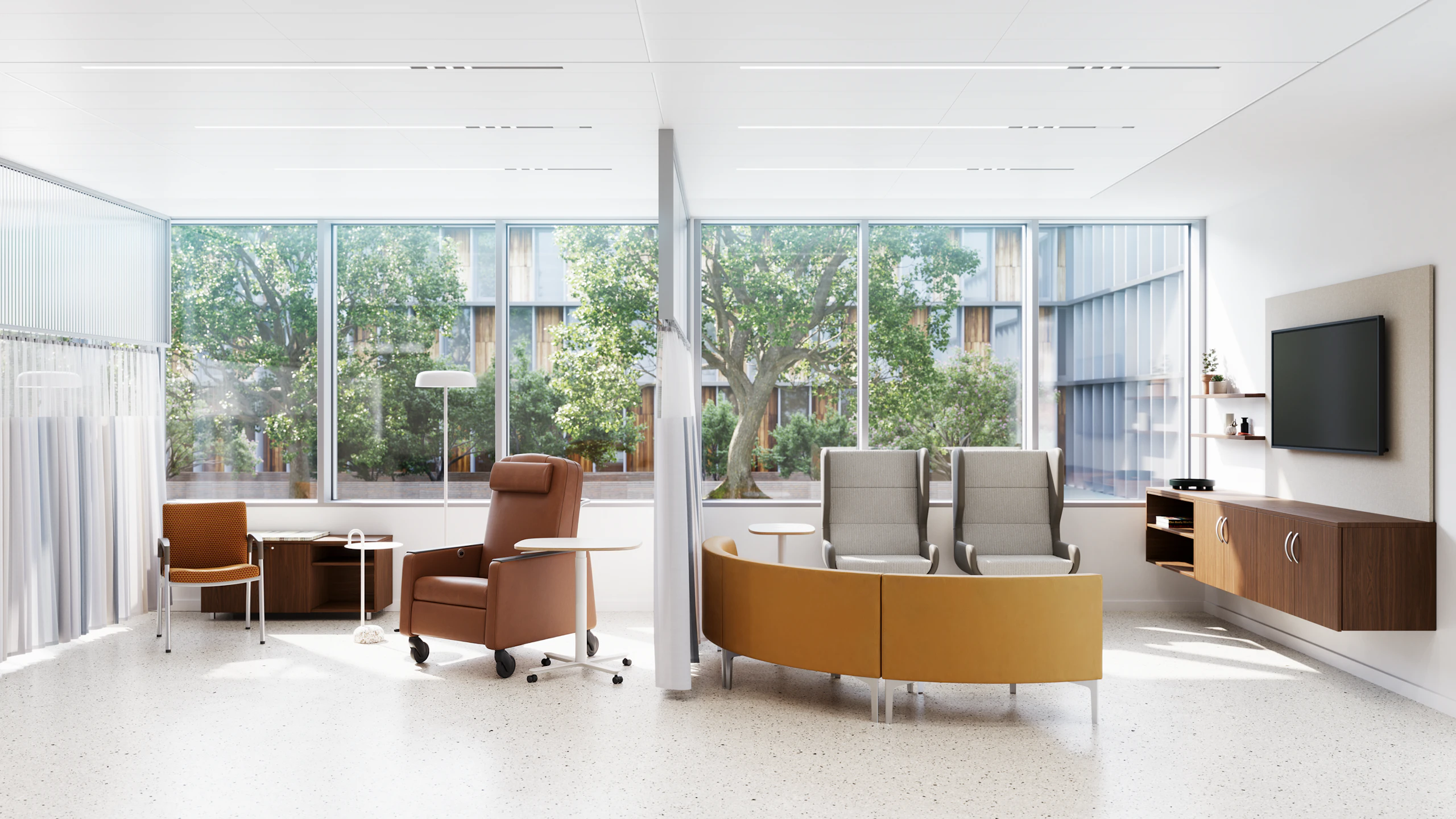
Level 3 settings: Medium performance requirements
Outpatient waiting areas, dining areas, staff and family lounges, outpatient team stations
Key considerations: balanced durability and comfort, standard accessibility features, cleanable upholstery options, flexible material selections
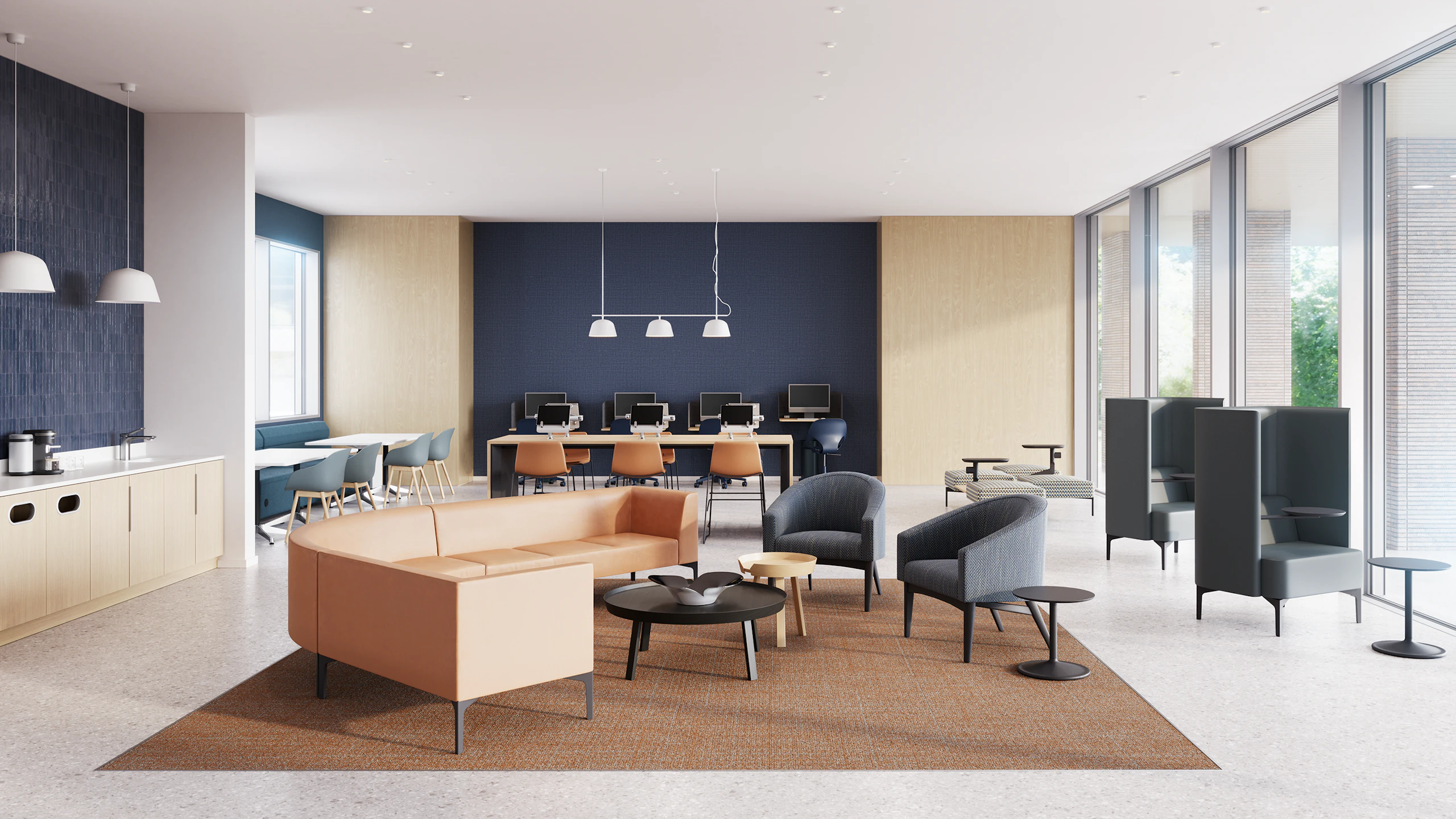
Level 4 settings: Low performance requirements
Lobbies, consult rooms, private offices, respite and wellness areas, cafes and coffee bars
Key considerations: comfort-focused seating, hospitality-inspired aesthetics, expanded material choices, moderate cleanability, design flexibility
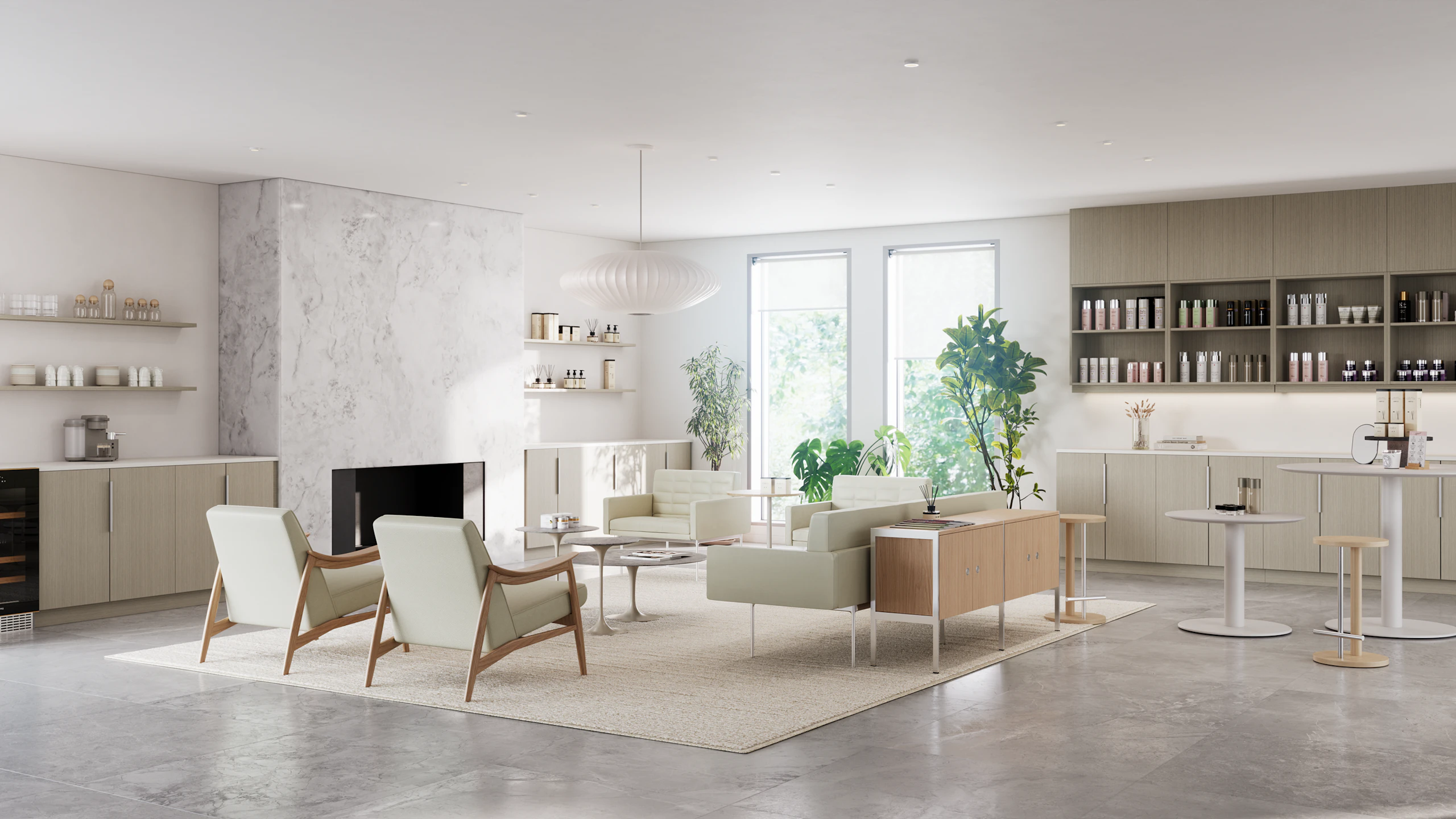
Level 5 settings: Minimum performance requirements
Specialty/boutique clinic waiting areas, chapels, reflection/meditation rooms
Key considerations: residential or hospitality character, soft materials and finishes, limited operational constraints, design flexibility
Resources

Try the interactive checklist
Not sure what furnishings fit where? Our research-based criteria align products and materials to healthcare settings. Setting levels define performance expectations, and the checklist evaluates materials, human factors, and product needs.
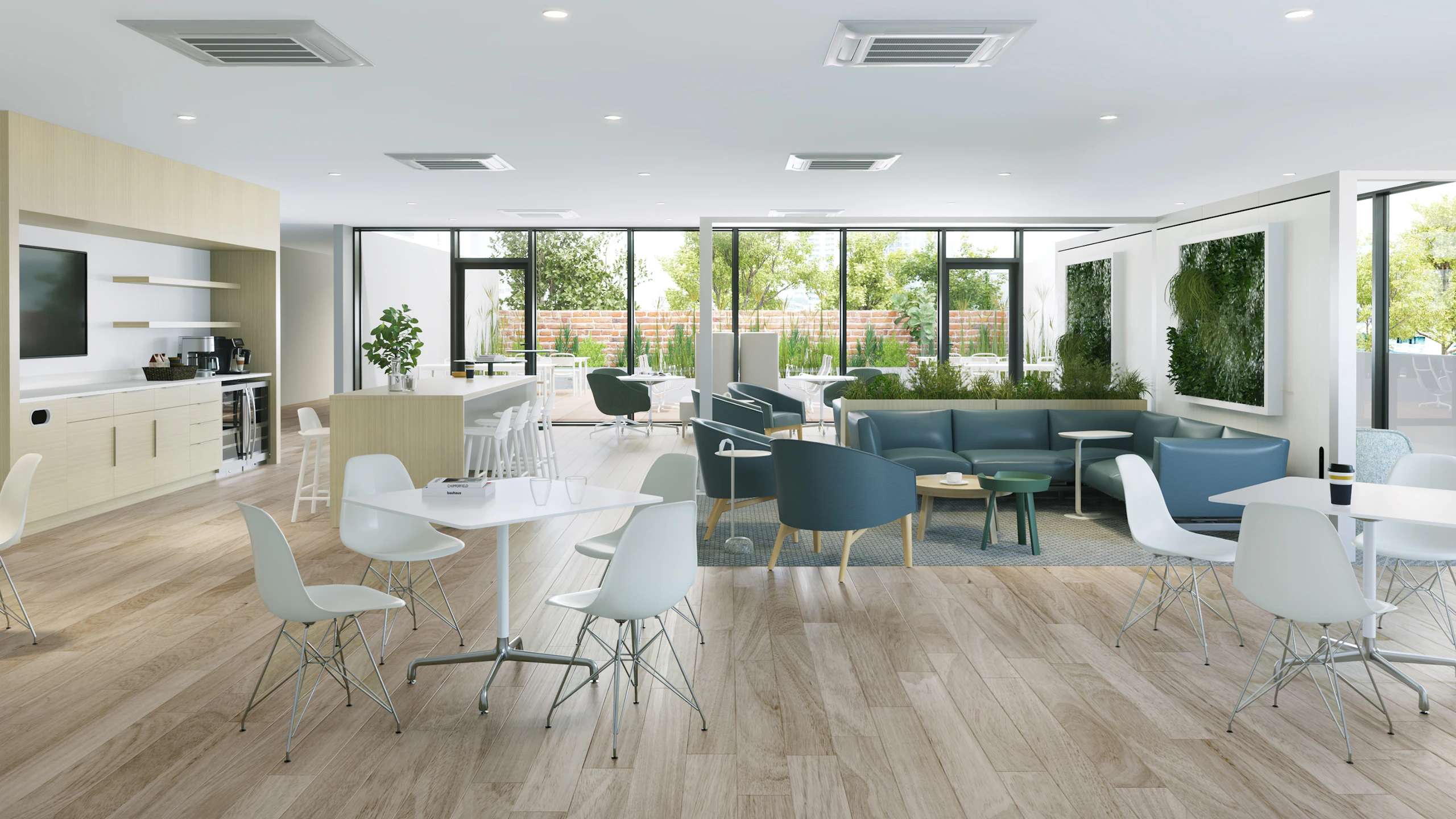
Get inspired
Explore healthcare furniture design inspiration for each setting level. Evaluated against every level of the settings performance scale, select products from our portfolio for any healthcare environment.
Why does this matter?
Spaces that are intentionally planned using evidence-based design criteria can influence the patient and staff experience. They support better patient outcomes, improve patient satisfaction scores that directly impact revenue, and help reduce burnout by creating environments that support staff wellbeing.
73%
Some surveys show that about 73% of healthcare executives say improving patient experience is essential for growth.*
$4.6 billion
Burnout is costing US health systems up to $4.6 billion every year in turnover and lost productivity.**
50%
According to Deloitte, hospitals with higher patient satisfaction scores see about 50% higher profitability.***
Built on decades of health research
Rooted in 70 years of research pioneered by Herman Miller and expanded across MillerKnoll, we have proven that performance and aesthetics don't need to be trade-offs—and that we have a portfolio that delivers both. MillerKnoll partners with healthcare organizations, clinicians, and designers to design around the realities of healthcare delivery, supported by our healthcare specialists and nurse consultants who bring firsthand clinical experience.
Sources
*Boylen, A. “Grant Thornton survey: Addressing patients’ needs is key to growth in the healthcare industry.” Grant Thornton. January 31, 2024.
**Shasha Han et al. “Estimating the Attributable Cost of Physician Burnout in the United States.” Annals of Internal Medicine 170 (11): 784. May 28, 2021.
***David Betts et al. “The Value of Patient Experience: Hospitals with Better Patient-Reported Experience Perform Better Financially.” Deloitte Center for Health Solutions. 2016.
Frequently asked questions
Find answers to questions about healthcare furniture specification using our Healthcare Setting Performance Criteria methodology.
What furniture should I use in a healthcare waiting area?
It depends on the type of waiting area. Emergency waiting spaces may require higher levels of cleanability, durability, accessibility, and infection prevention, while wellness or boutique settings may allow more flexibility in materials and finishes.
Why do different healthcare settings require different furniture?
A patient room, exam room, family lounge, and wellness waiting area each place different requirements on cleanability, accessibility, durability, user experience, and long-term value. Healthcare Setting Performance Criteria help match furniture to the specific requirements of each setting, avoiding risks of over-specifying and under-specifying.
How do I choose furniture for an exam room?
Exam rooms are Level 2 healthcare settings. Look for cleanable surfaces, healthcare-grade materials, and seating designed to accommodate diverse body types and mobility needs. The goal is to match product performance to the clinical, operational, and human needs of the space.
How do I choose healthcare furniture that is safe, durable, and easy to clean?
Choose healthcare furniture based on the performance requirements of the setting. The Healthcare Setting Performance Criteria methodology evaluates products across accessibility, usability, cleanability, durability, and investment, helping designers create safer environments, support infection prevention, and maximize long-term value.