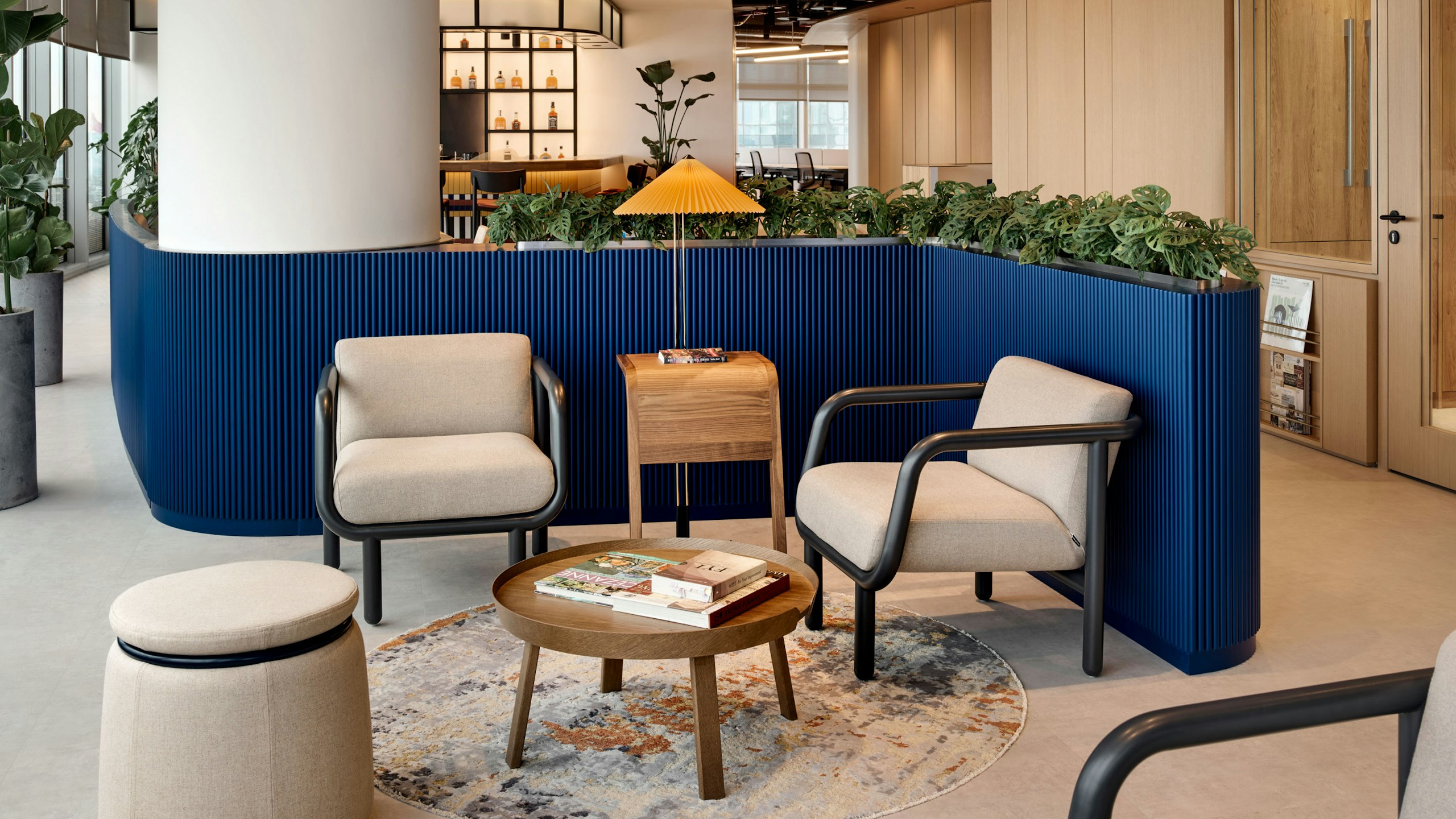
The relational office: designing for connection, culture, and performance
MillerKnoll Vice President of Global Research and Planning Ryan Anderson on workplace design in the age of AI
Written by: Ryan Anderson
Oct 20, 2026
5 minutes

In less than a decade, work has changed fundamentally at most organizations. The digital transformation that accelerated during the early years of the pandemic, combined with the rapid adoption of generative AI, has created a challenging paradox: employees have more ways than ever to connect digitally—with one another and, increasingly, with AI agents—yet many still struggle to build the strong, trust-based relationships with coworkers that fuel collaboration and growth.
This lack of quality human connection does more than contribute to social isolation, burnout, and lower psychological safety. It also undermines the collaborative, innovative, creative problem-solving organizations must cultivate in their teams in an era of AI.
In this context, physical workplaces can offer more value today than they have in decades. To do so, they must promote relationship-building, upskilling, team-process reinvention, and creative problem-solving, while also offering relief from the challenges of too much screen time. In this new era of work, the workplace must deliver value by becoming an incubator for talent, ideas, process development, and relationship-building for AI-enabled teams.
What is the relational office?
Workplaces need to be designed around relationships, not just tasks. As digital tools and generative AI reshape how people work, the physical workplace can create value by helping employees build trust, collaborate, learn from one another, and strengthen the human connections that fuel innovation.
In 2022, a groundbreaking report from HR consultancy BetterUp found that a lack of connection in the post-pandemic workplace was increasing and negatively affecting performance, retention, and employee well-being. This decrease in interpersonal connection was correlated to increases in screen time and a lack of quality interaction between employees.
Two years later, authors Constance Hadley and Sarah Wright emphasized that this was not simply a phenomenon caused by Covid-related quarantine in a Harvard Business Review article entitled, “We’re Still Lonely at Work.” Loneliness can negatively affect productivity, collaboration, and retention, and according to Gallup’s State of the Global Workplace: 2026 Report, which surveyed more than 200,000 workers in more than 160 countries. It stated that 22% of workers are still lonely.
Compounding this challenge is the adoption of generative AI solutions, which can improve employee efficiency but, without a purposeful plan to reinvest that time in human relationship-building, may also exacerbate the problem. Studies of AI early adopters indicate that the use of AI, and in some cases the visualization of agents on an org chart, can weaken the human relationships that shape organizational culture. Early AI adopters often overly rely upon AI for personal needs at the expense of workplace relationships, with 67% saying they trust AI more than their human coworkers and 64% reporting a better relationship with AI than with their coworkers, according to a 2025 study by Upwork.
As the former CEO of IBM Ginni Rometty accurately predicted several years ago, enterprise AI adoption is less a technology deployment challenge than a group dynamics challenge. The core task is building trust, coordination, and shared motivation while AI pulls people more deeply into screen-based work. It’s now the role of the physical workplace to enable this.
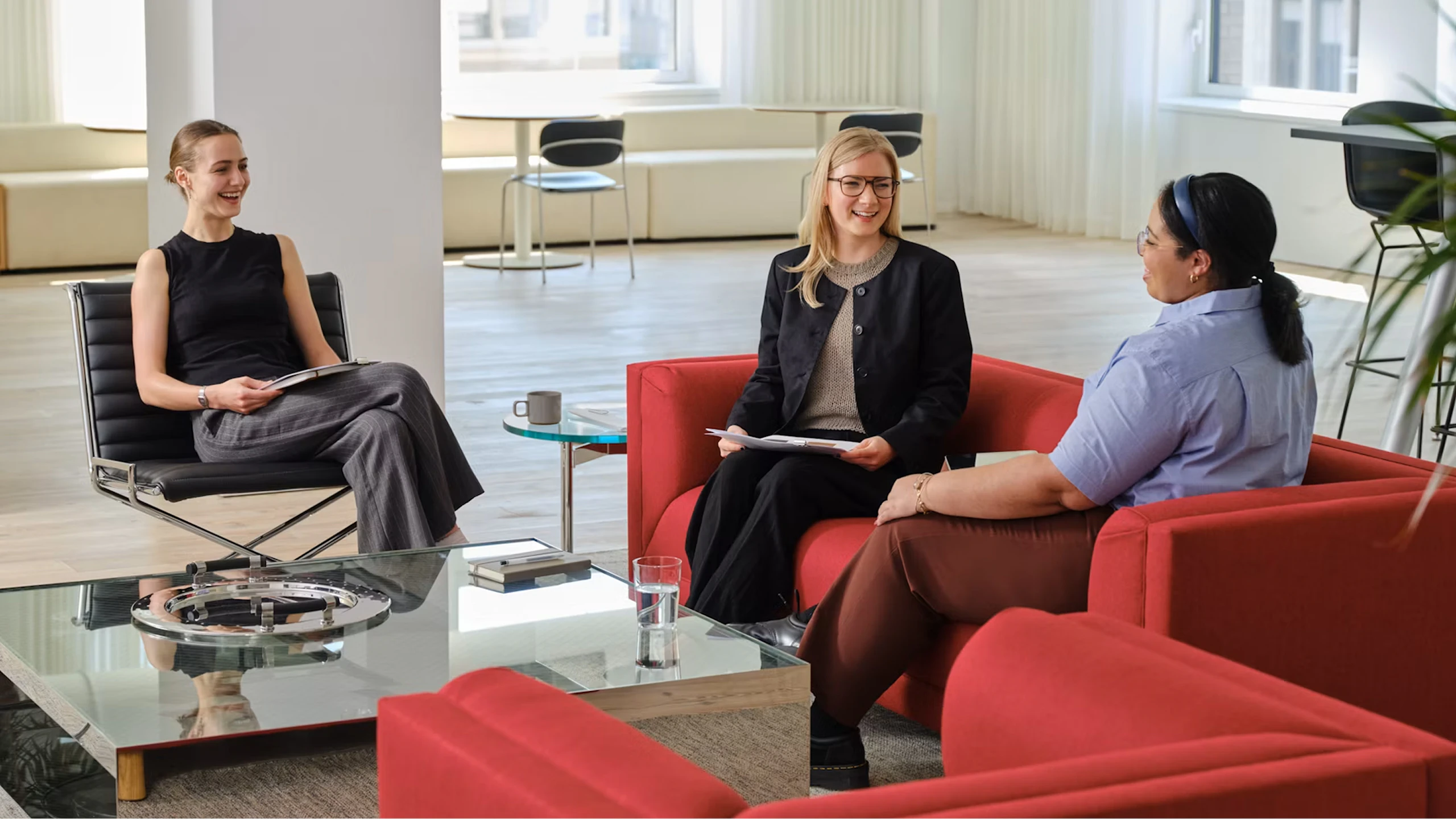
Why employees still value the office
To begin transforming the role of the physical workplace, organizations should create places where people want to be. Research conducted by Future Forum, a global collaborative research partnership between Slack, MillerKnoll, Boston Consulting Group, and MLT, found that the top motivations for working from the office were collaboration, building camaraderie, and in-person meetings.
Similarly, MillerKnoll research conducted in partnership with UK-based Workplace Unlimited found that teamwork, socializing, and managing or mentoring people were the most desirable reasons to work from an office. These findings make clear that quality time with other people is the ultimate workplace amenity. In a world where digital work activities can happen anywhere, it is also the primary reason offices will matter in the future.
A new cohort of early-career professionals is reinforcing this reframe of the office by benefiting from in-office experiences. In 2026, MillerKnoll partnered with Brussels-based ThinkYoung to survey 2,050 young professionals aged between 21 and 29, currently employed full time and working from an office, in the US, UK, Canada, France, Germany, Mexico, and Australia to better understand their work experiences.
The study found that 51% of young professionals work from the office between four and five days per week. In addition, 86% agreed that days in the office are meaningfully different than working elsewhere, and 78% see office days as worthwhile. Team collaboration was the top motivation for being there, cited by 51%, while 35% identified learning from colleagues and professional development as their main motivation for office work. The study also found that 85% have a sense of belonging at work, and 80% see a bright future ahead.
Despite this strong desire for offices that better help people to connect and grow, many workplaces are not yet optimized for that purpose. Of the 2,050 young professionals surveyed, 41% want better designed workspaces to add value to the office, with 26% specifically citing a lack of spaces to interact informally with coworkers. To address these needs, along with the broader set of opportunities the workplace can support, organizations must make workplace planning a more intentional lever for connection, growth, and development.
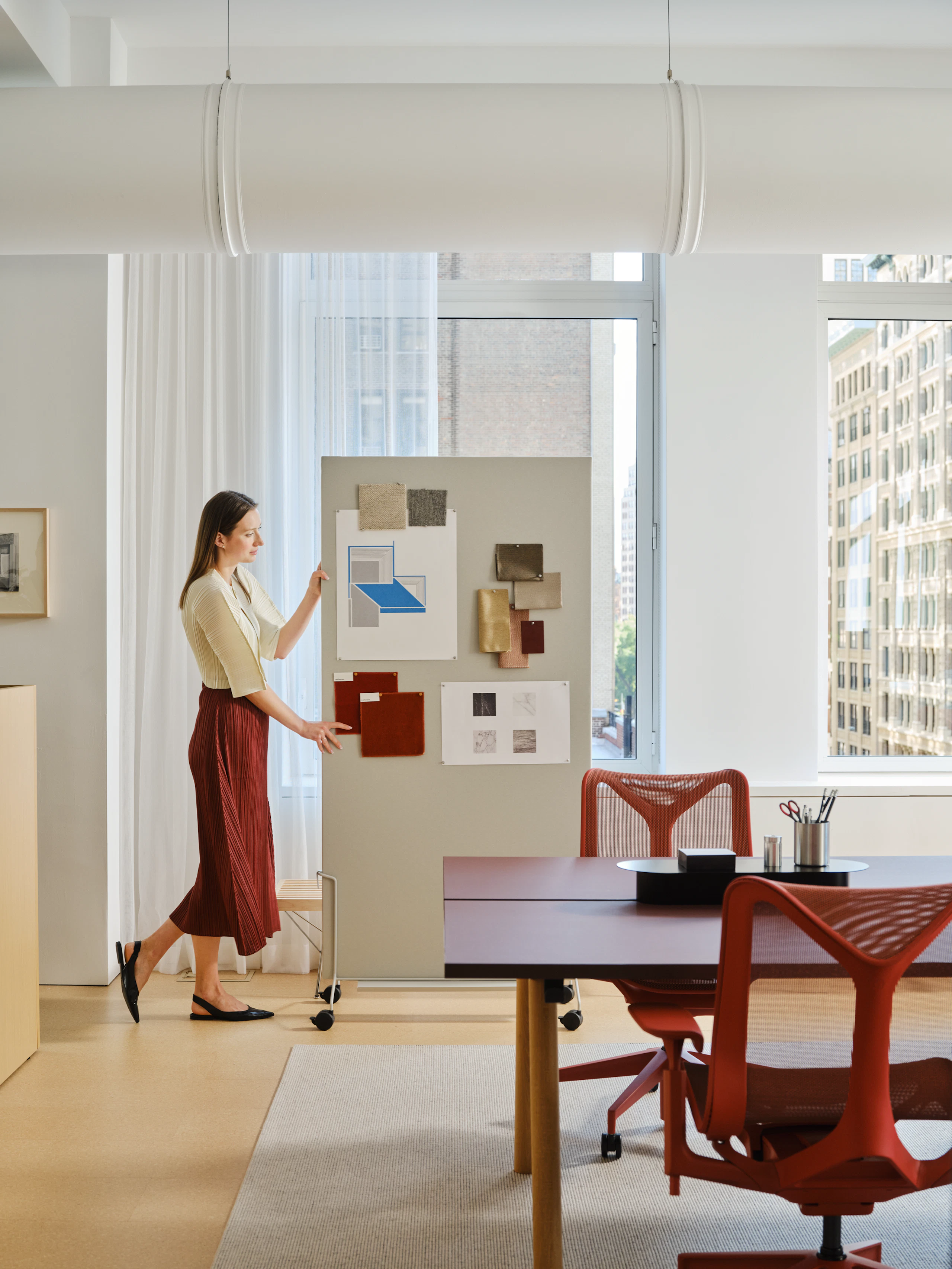
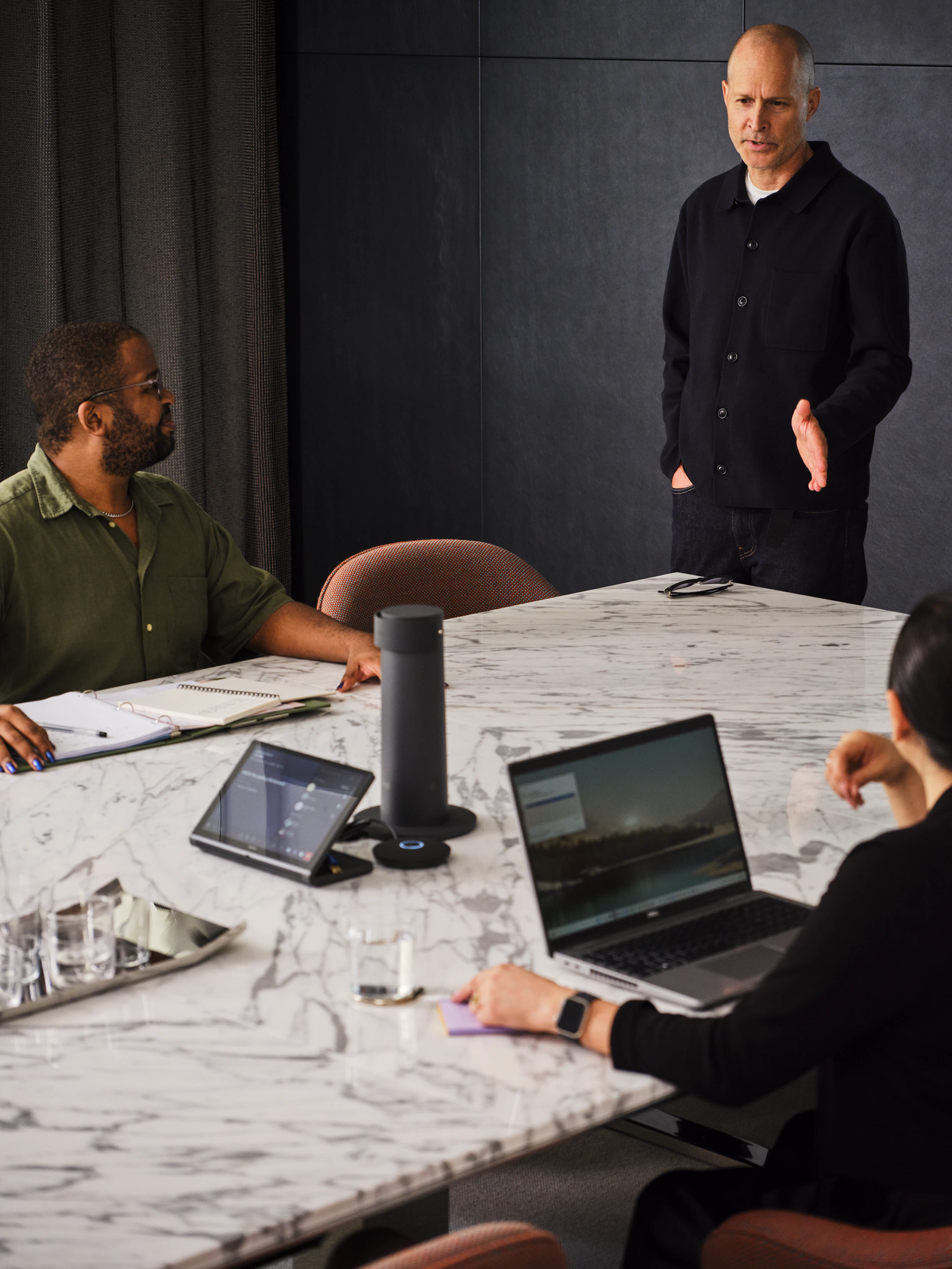
From activity-based planning to relationship-based planning
Historically, the primary basis upon which offices have been designed has been work activities. Activity-based work (ABW) has been used to offer a variety of spaces within an office to support an array of work activities. However, as collaborative software platforms have evolved, they have increasingly found ways to support a multitude of work activities individually from personal devices, rather than together as teams.
Video meetings, collaborative documents, project management platforms, digital whiteboards, and AI-enabled tools have reduced the need for physical co-location to conduct activities, but do not deliver the rich variety of interpersonal experiences needed to support healthy, dynamic teams. Instead, the primary basis for office design should be interactions, and the goals of the space should be relational, or put another way, relationship-based working (RBW).
If the foundational question of ABW is, “What activities should this space support?” then the foundational question of planning for RBW must become, “What interactions should this space support?” This shift is not intended to replace ABW, rather, it extends it.
To build upon this foundational question, an organization should consider the specific relational goals for a particular space. These should consider how individuals relate to one another, but also how groups and the broader community interact with and within the space:
Nurturing individual connections: Helping individuals to meet new people or bond with work friends to increase their sense of community.
Improved team dynamics: Helping members of specific teams to better understand each other’s work styles, operate with empathy, and interact in a less transactional manner than video calls.
Developing cross-team connections: Encouraging connections between teams that helps to improve communication and find linkages between their work.
Cultivating learning and mentorship: Enabling those who are developing to bond and freely converse with those who can help them develop.
Breaking down hierarchy: Fostering a greater sense of trust and communication between executives and non-executives to increase social cohesion and psychological safety.
Uniting worker types: Identifying opportunities for those with traditional office roles to be better connected with manufacturing, laboratory, and other functions.
Building communities of belonging: Using space to infuse key cultural values into the overall sense of community.
Fostering place attachment: creating a sense of ownership and pride between people and place.
Designing workplaces for better human connection
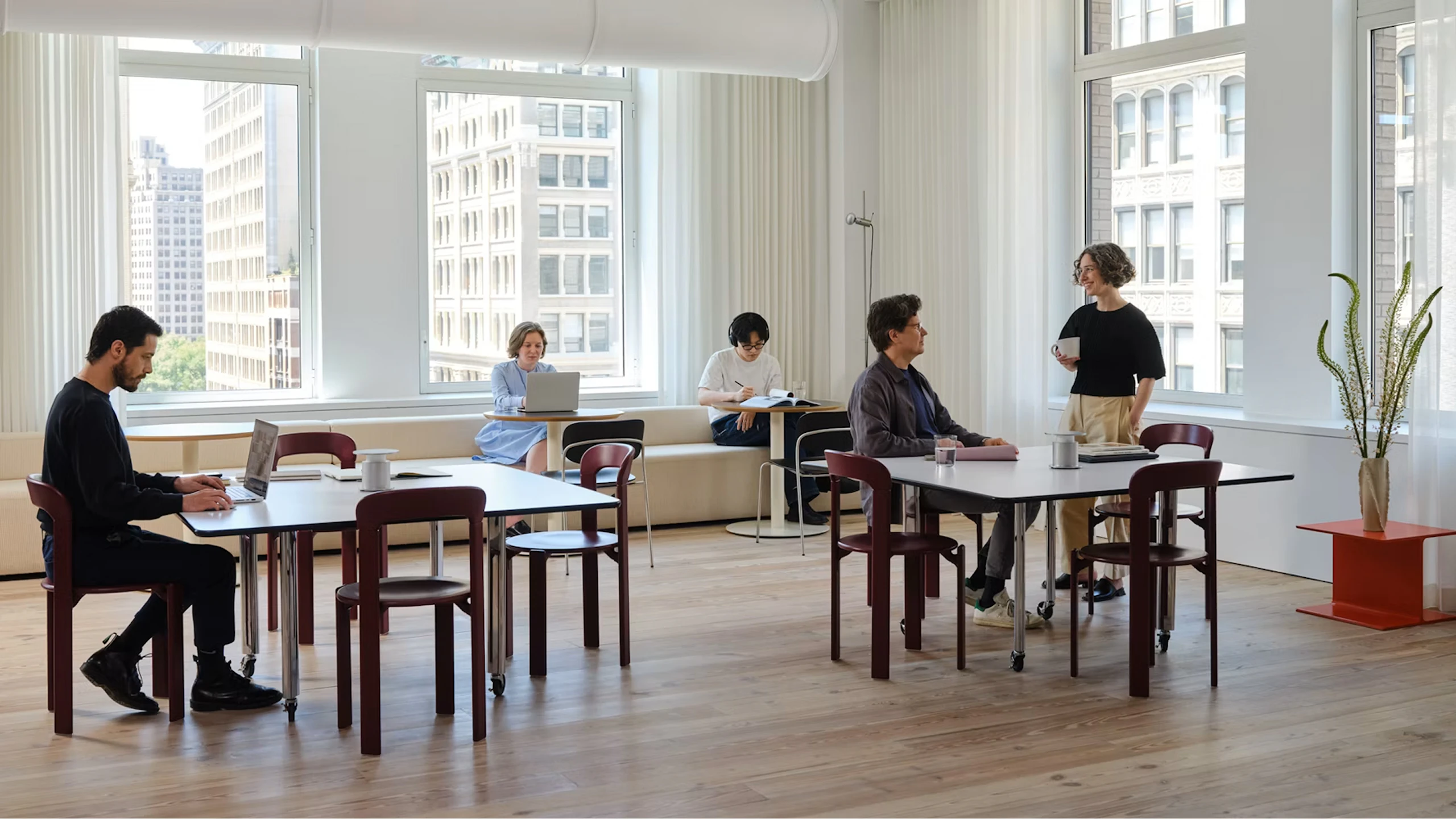
Workplaces designed to meet relational goals may, in many ways, appear similar to other spaces when viewed on a floorplan, but the principles upon which they are built are very different. Likewise, the experience of the people using those spaces should feel meaningfully different than a typical office of the past.
Each space should start with people, communicate its purpose, be activated for specific experiences, and evolve over time. The litmus test for success must involve a clear and intuitive understanding of how a particular space supports desirable interactions.
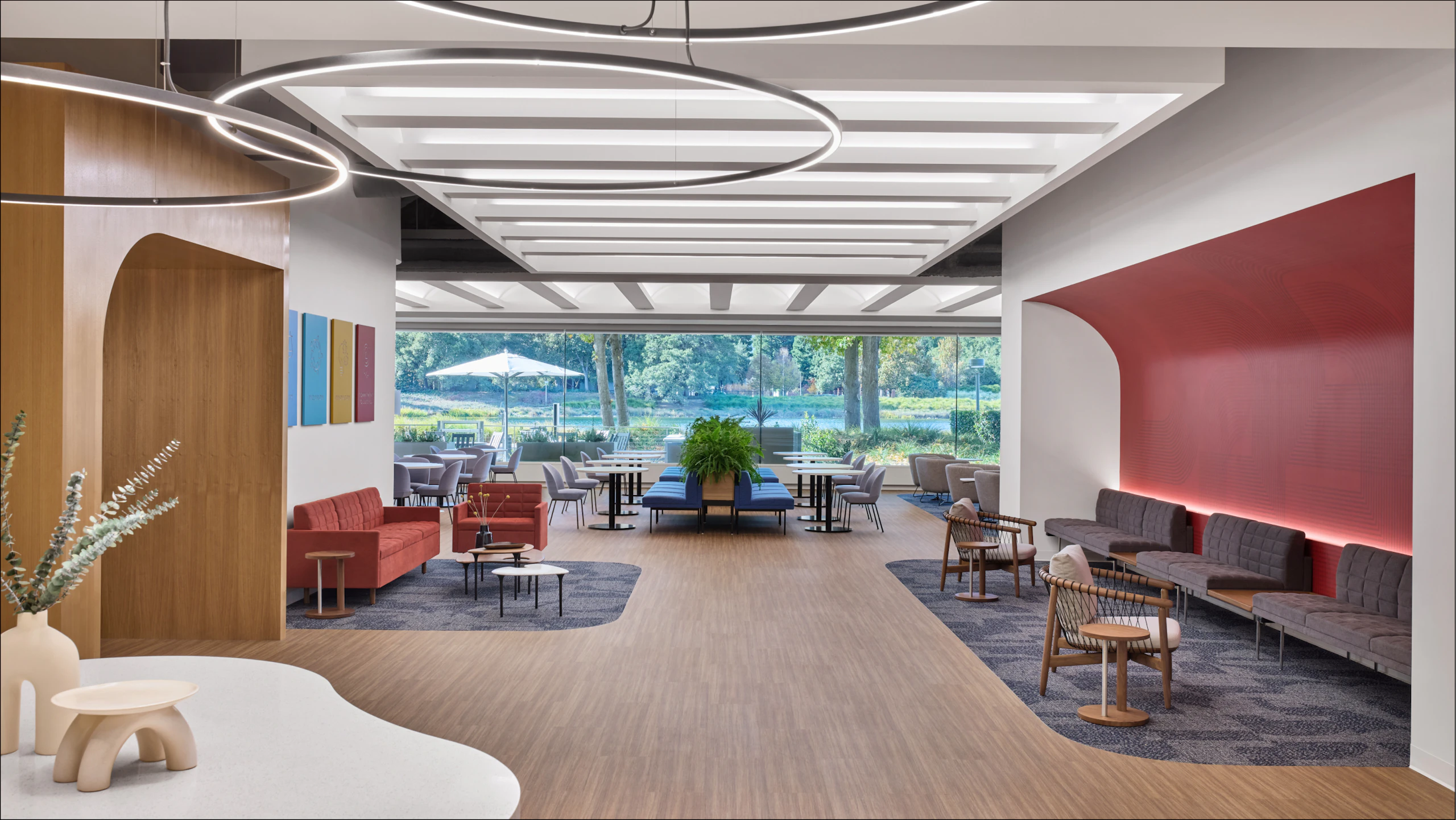
Cafes should not just support eating if they can foster community-building. Neighborhoods should not just support individual work when they can act as a catalyst for team bonding. Private offices should not just support privacy when they can also foster coaching and mentorship. Meeting spaces should not just support video calls when they can support spontaneous co-creative dialogue.
This planning approach allows every space to exceed its traditional purpose, expanding the return on real estate investments, and, most importantly, making possible what is not possible working solely through screens.
Transforming the office into an incubator for talent
The rise of digital collaboration and generative AI requires more from our places of work, and our approach to workplace planning must rise to a new standard. In this new era of work, the workplace becomes an incubator for talent, ideas, process development, and relationship-building for AI-enabled teams. This begins with understanding the unique value that our spaces can serve to bring people together, support screen-based work, but also to counter-balance it with rich, meaningful interactions that can help transform offices from institutional containers for work to human-centered places of growth and innovation. A new cohort of young professionals is investing time in our physical places of work, and for organizations to capitalize upon a new, AI-enabled pipeline of talent, our spaces must unleash and foster the most human elements of work.
As digital collaboration and generative AI reshape how work gets done, the physical workplace has a renewed opportunity to create value by strengthening what technology alone cannot: human connection. The next office must do more than support screen-based tasks. It must help people build trust, learn from one another, collaborate across teams, develop new skills, and feel a stronger sense of belonging. Planning for relationship-based work offers a modern approach to workplace design by focusing not only on what activities a space supports, but on what interactions it makes possible.
For organizations navigating an AI-enabled future, the workplace can become an incubator for talent, ideas, mentorship, creativity, and innovation. By designing spaces that bring people together with intention, companies can transform the office from a place people are expected to be into a place where people grow, connect, and do their best work.
Key findings from MillerKnoll workplace research
51%
of young professionals work from the office four to five days per week.
86%
say office days are meaningfully different than working elsewhere.
78%
say office days are worthwhile.
51%
cite team collaboration as a top motivation.
35%
cite learning from colleagues and professional development.
41%
want better designed workspaces.
About the author
With nearly 30 years of experience in the contract furnishings industry, Ryan is the Vice President of Global Research and Planning at MillerKnoll. His team focuses on helping organizations create more desirable, productive, and healthy work experiences for their people. Ryan hosts MillerKnoll's About Place podcast on the future of the workplace and regularly speaks at public events about MillerKnoll's historical and current research. Ryan is a monthly contributor to Forbes.com, and has been featured in a wide variety of publications such as The Wall Street Journal, NPR, BBC, Fortune, Bloombe

Ready to design for relationships?
Learn how leading organizations are reshaping the workplace to support the relationships that drive engagement, innovation, and performance. Let's explore what's possible for your organization.
Hungry for more?
Explore more ways we can help you expand your impact on your organization and the world.